

 By
By For a band whose legacy is often distilled to a single album (or more recently, a single song on Instagram or TikTok), American Football do not seem particularly interested in living in the past.
Returning to a sold-out Variety Playhouse on July 16, in support of their fourth album, the Illinois outfit delivered a set that bridged nearly three decades of music, pairing the youthful ache of their 1999 debut with the slower, more patient and atmospheric songwriting that has increasingly defined the band’s last three albums. After the band dissolved in 2000, as college ended and its members went their separate ways, they returned more than a decade later to discover that a growing cult following had quietly transformed American Football into one of emo’s most beloved bands. The scale of that audience became unmistakable when demand for Polyvinyl’s 2014 deluxe reissue crashed the label’s website. But this evening was not content to live in the past. Instead, it underscored how one of Midwest emo’s most influential bands has continued to evolve.
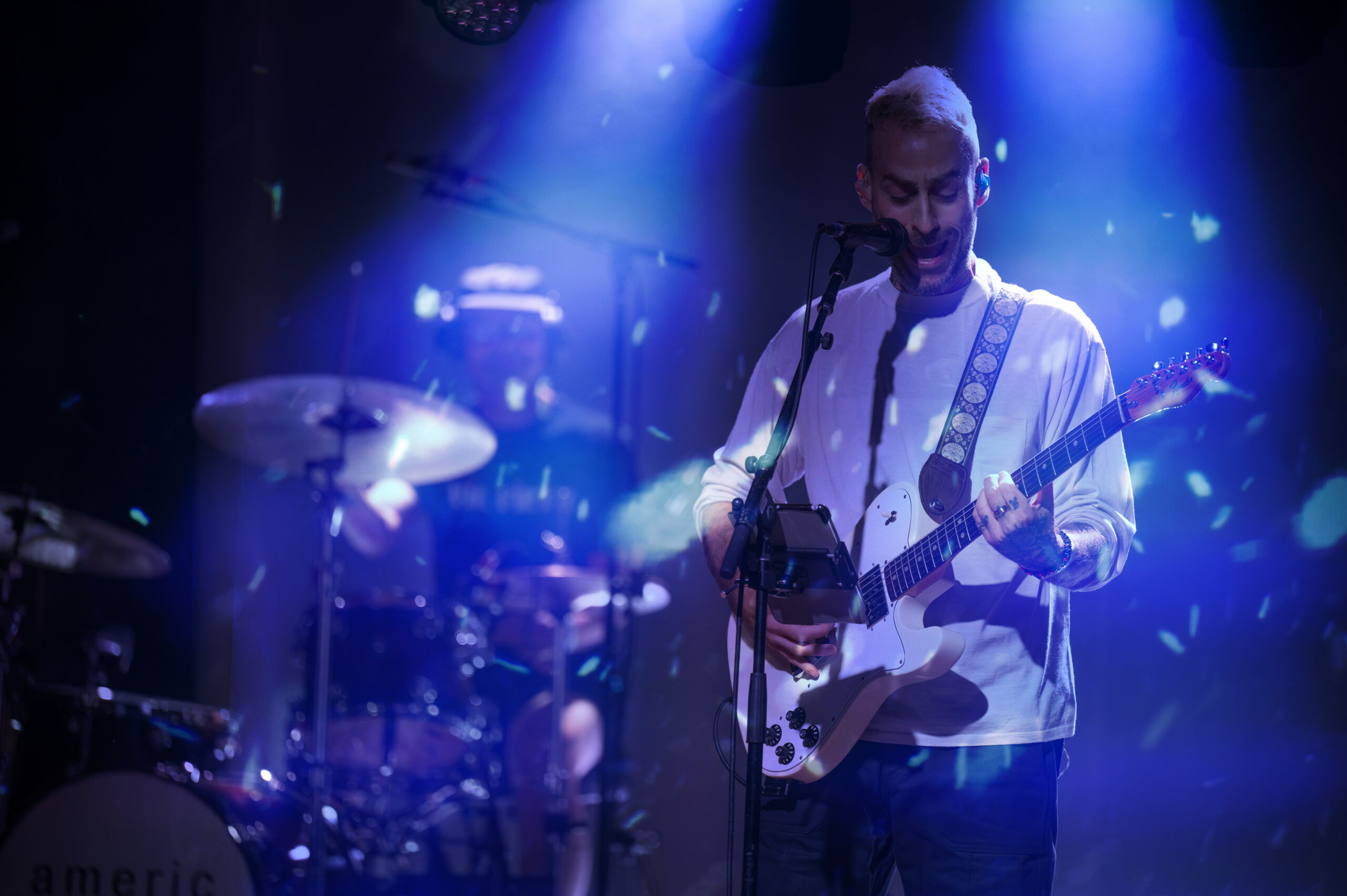
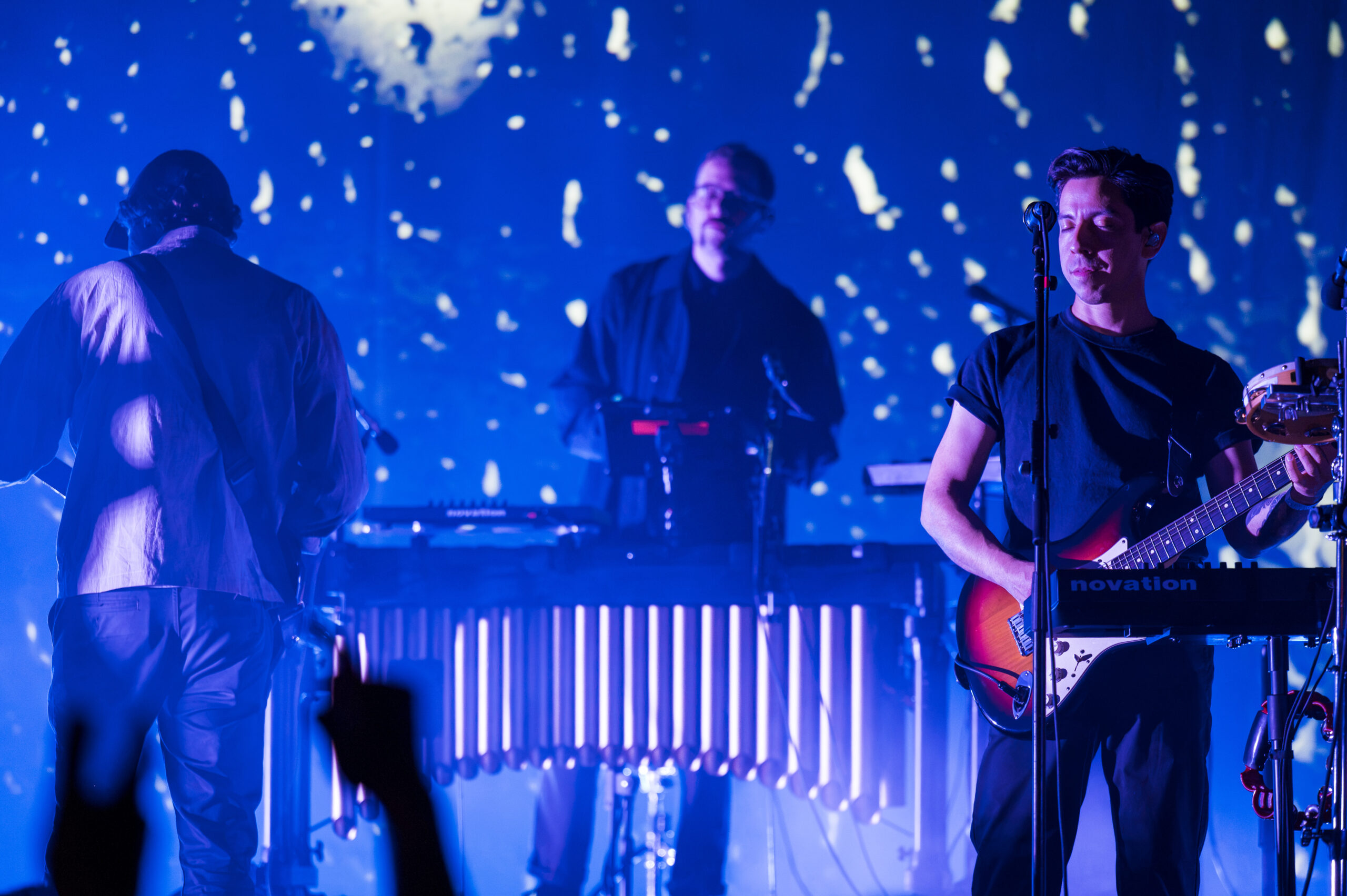
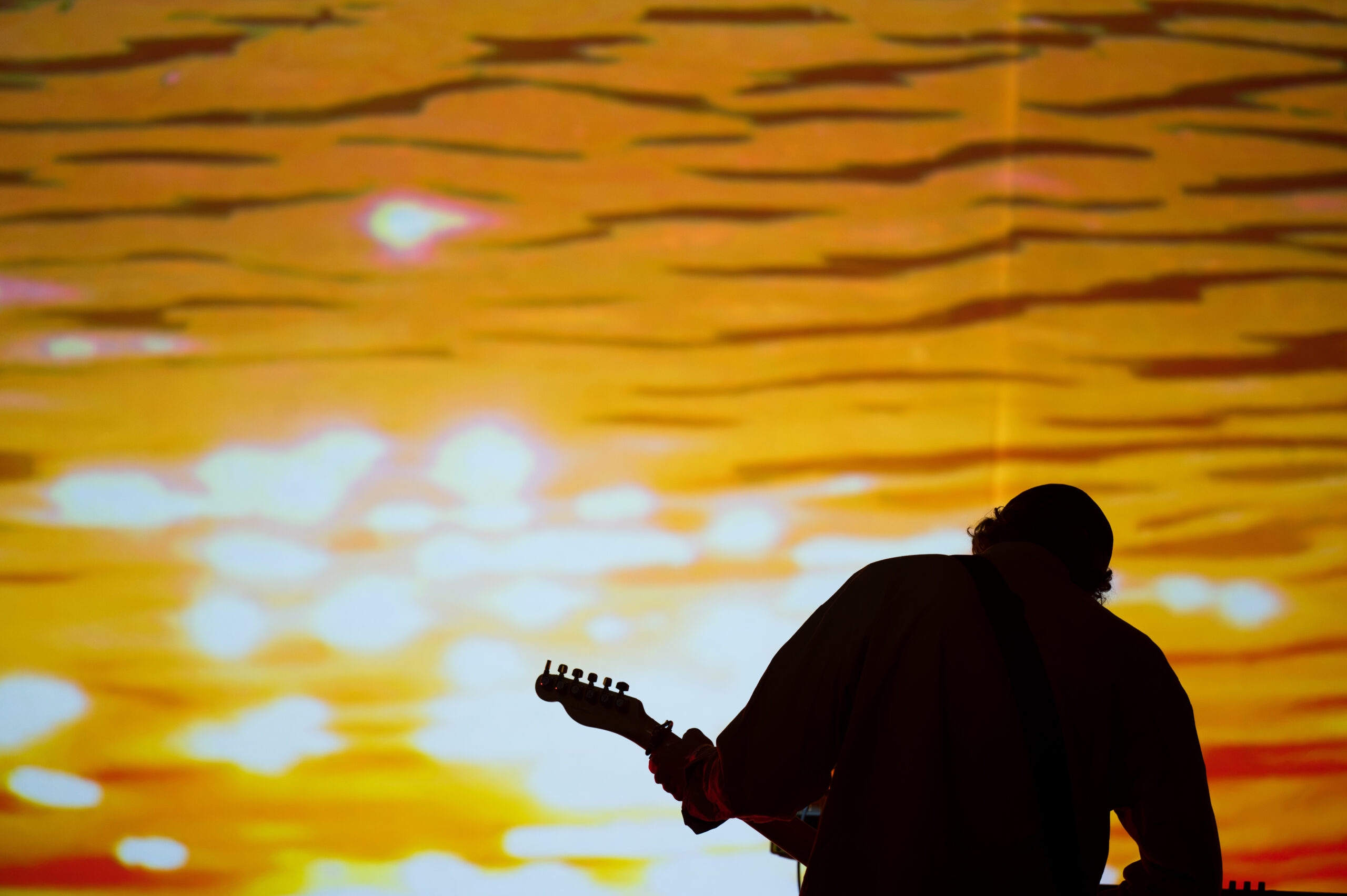
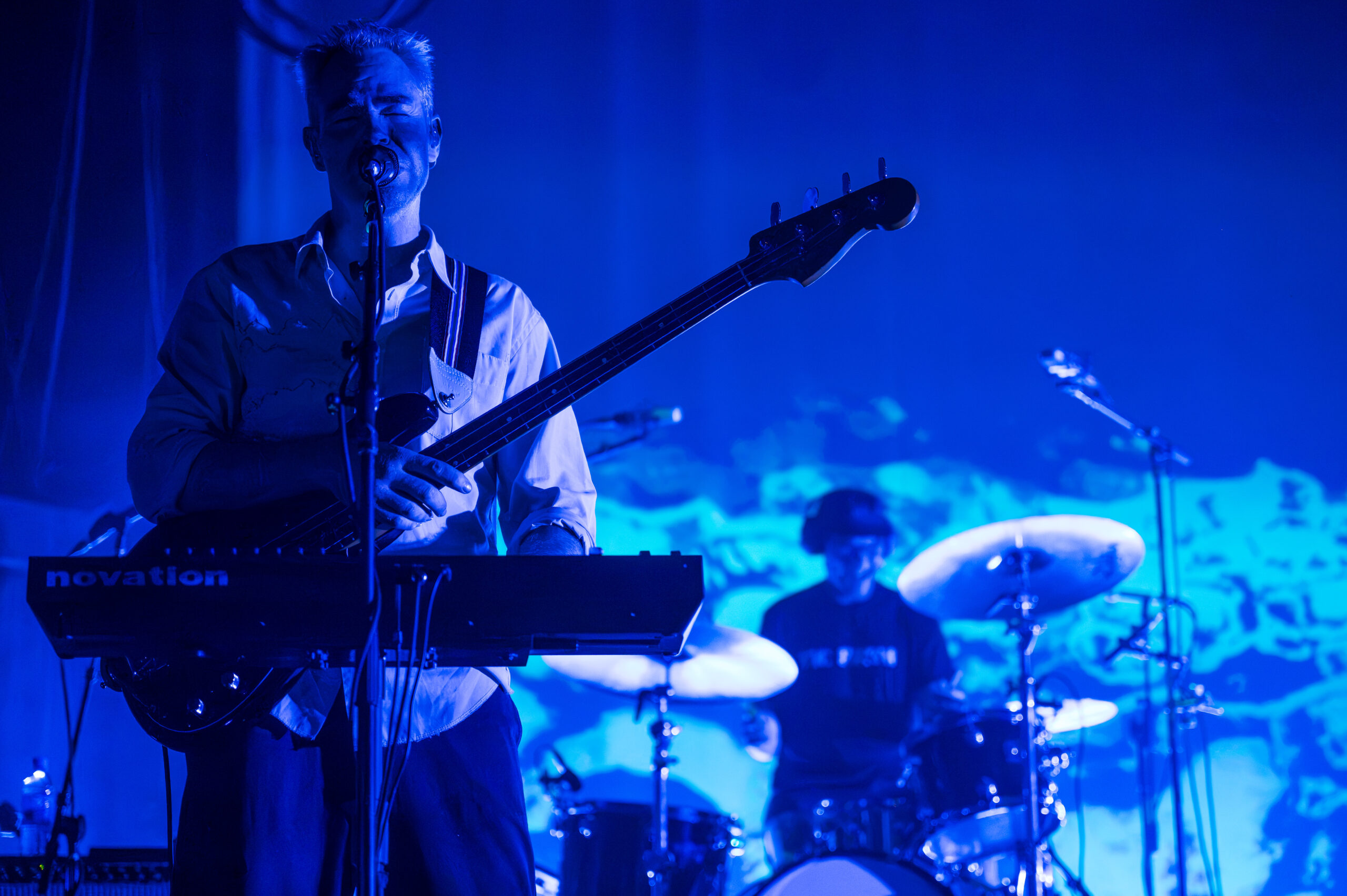
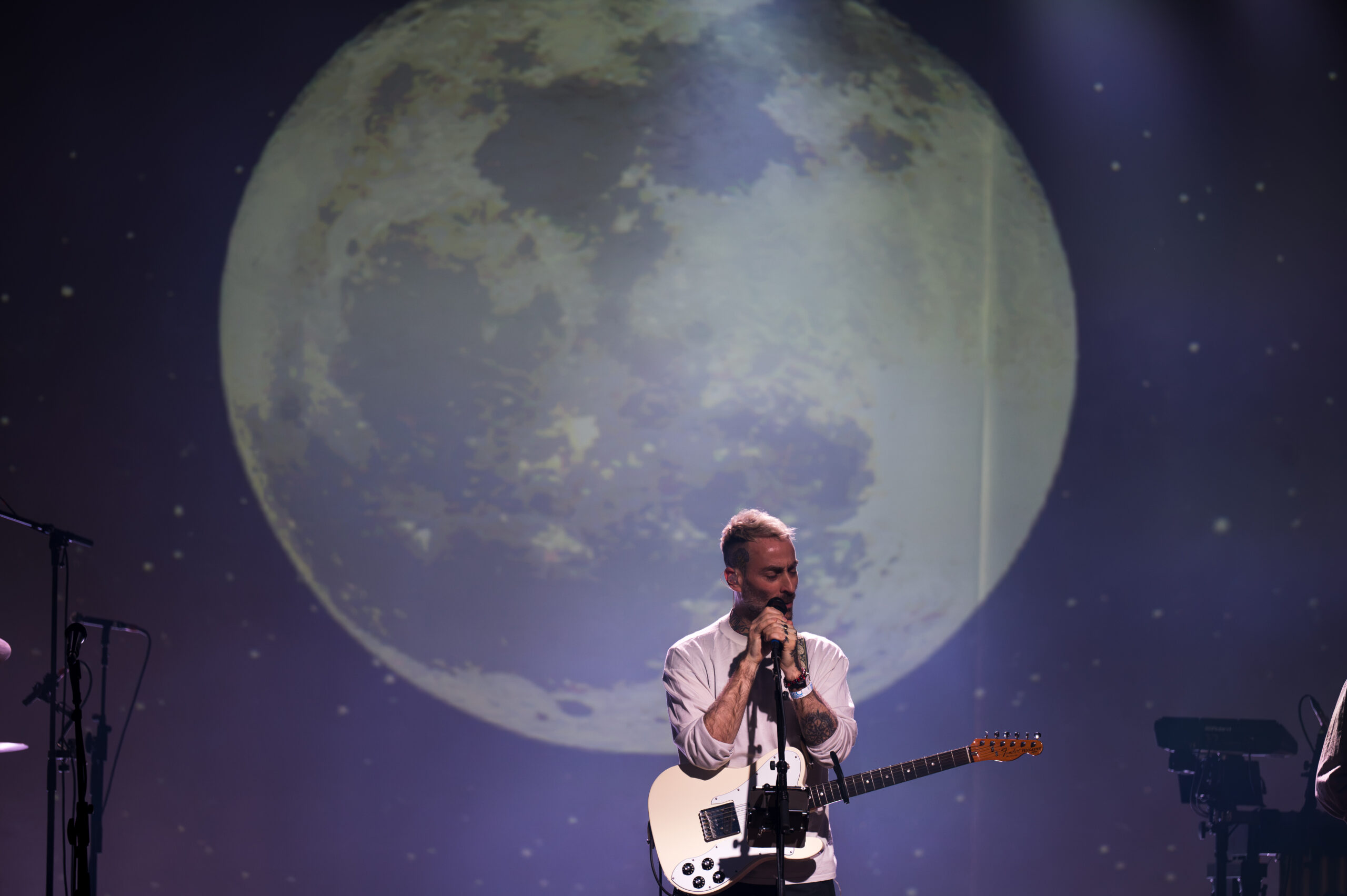
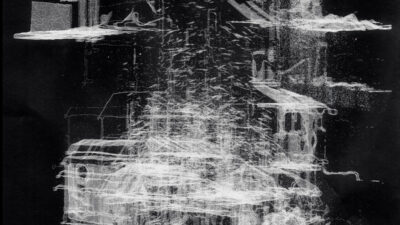
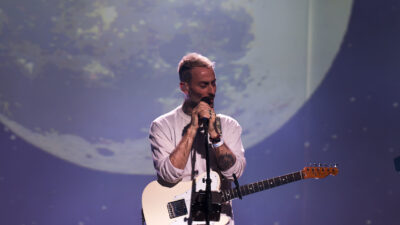
That evolution was reflected visually as much as musically. Behind the band, high-contrast projections of natural landscapes glowed in rich washes of color, shifting from storm clouds to falling rain, silhouetted branches, sunsets and the familiar house from LP1. The imagery unfolded with the music rather than beside it, creating an evocative backdrop that expanded the emotional palette of each song. It was a noticeable step up in production without ever feeling excessive.
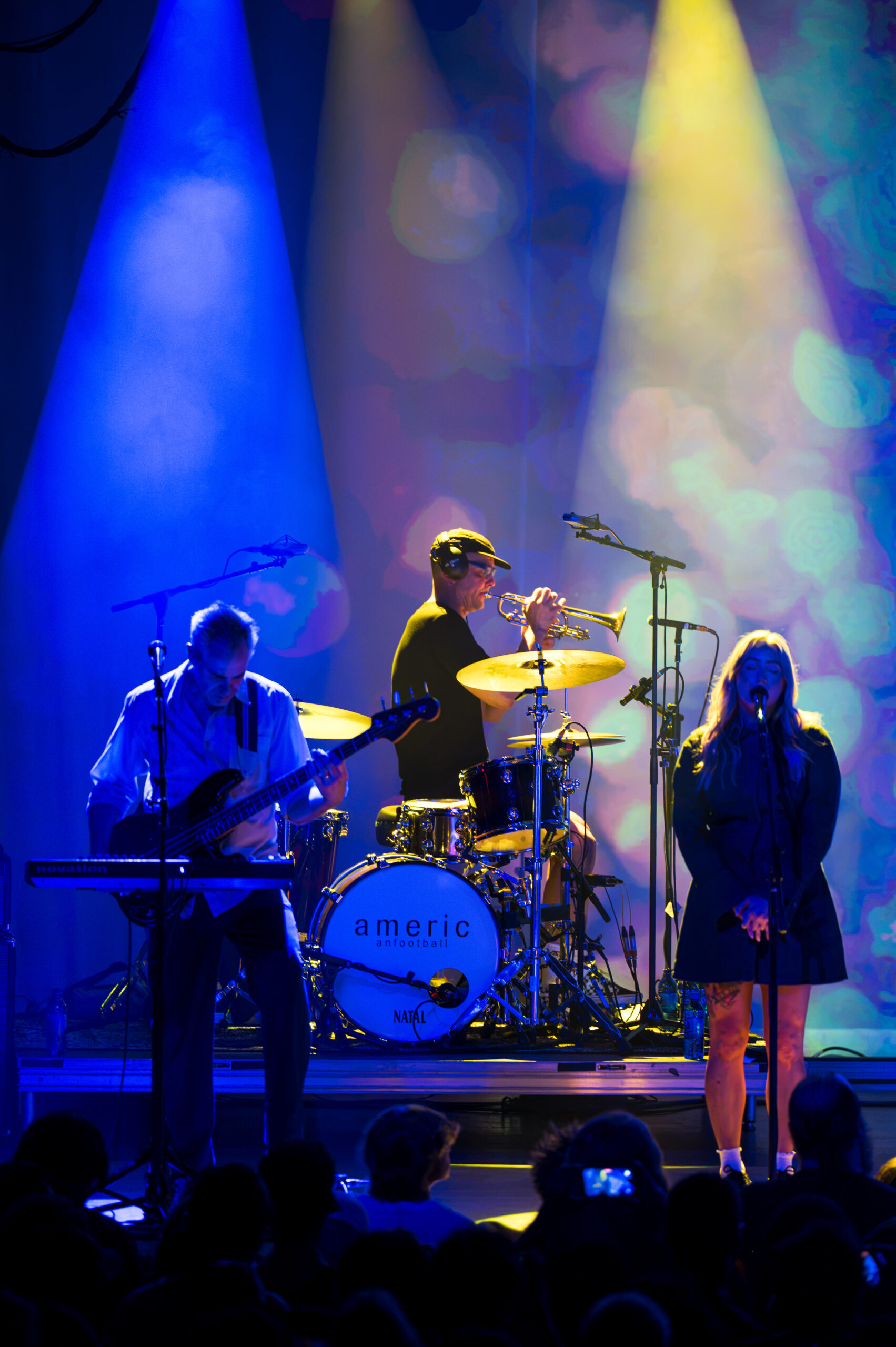
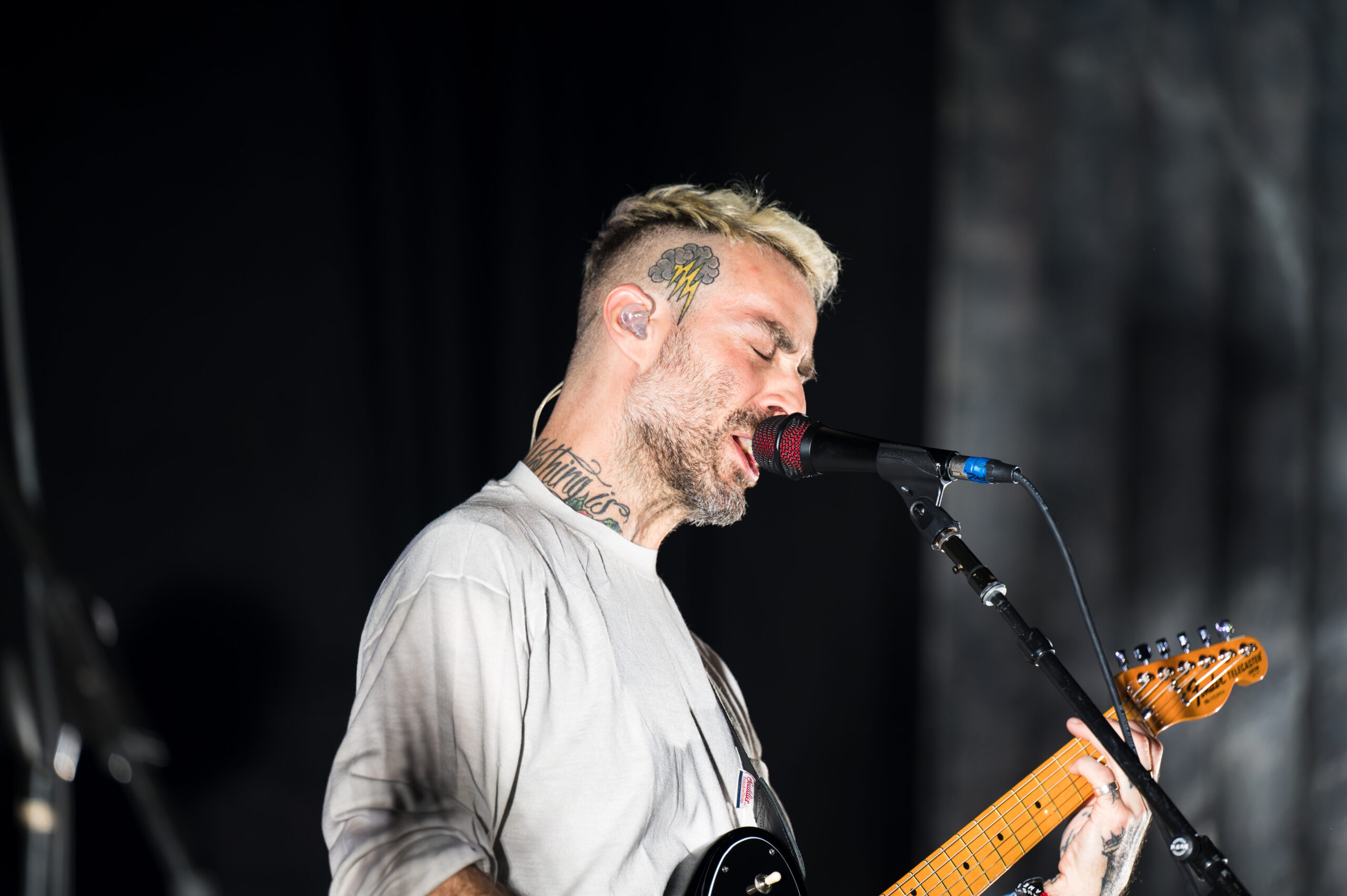
Frontman Mike Kinsella acknowledged the passage of time with dry humor, joking that many of the songs they were about to play were, “The same shit I wrote when I was 20.” Before launching into a stretch of material from the band’s debut, he added, “We’re gonna play some old stuff. I’m not that excited, but I’m glad you guys like it.”
The audience had no such reservations.
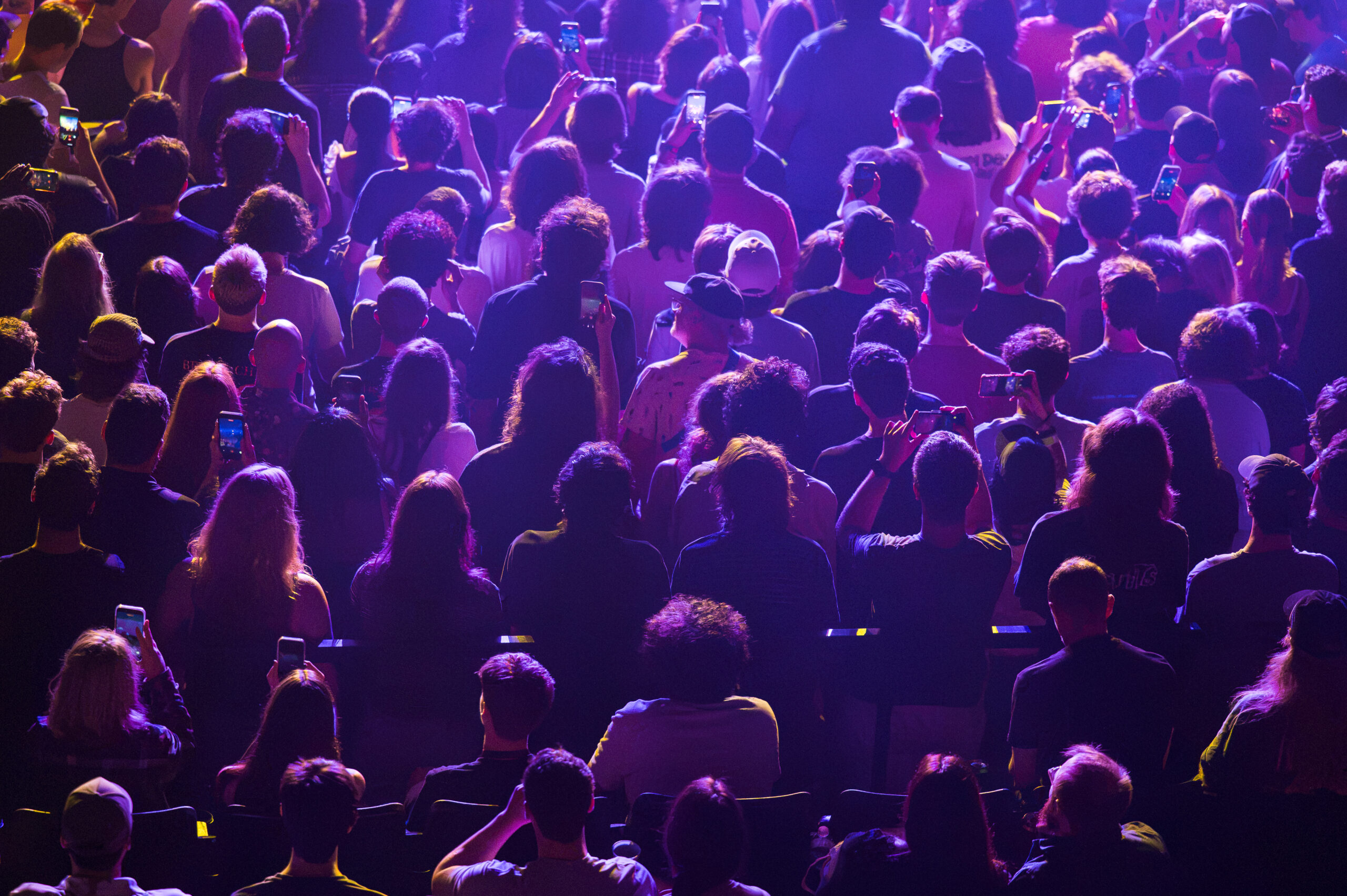
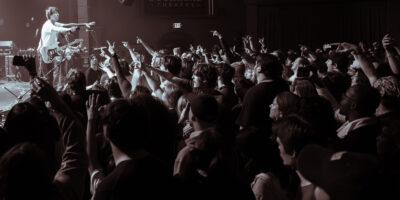
When the opening notes of “Never Meant” arrived at the end of the main set, Variety Playhouse erupted. Phones shot into the air, every lyric was sung back toward the stage, and the loudest reaction of the night belonged to a song released before many people in attendance were old enough to remember it. Perhaps even more striking was who made up that sold-out crowd. Fans who had lived with these songs for decades stood shoulder to shoulder with younger listeners who discovered the band years after its reunion—evidence that American Football’s audience has continued to grow rather than simply grow older.
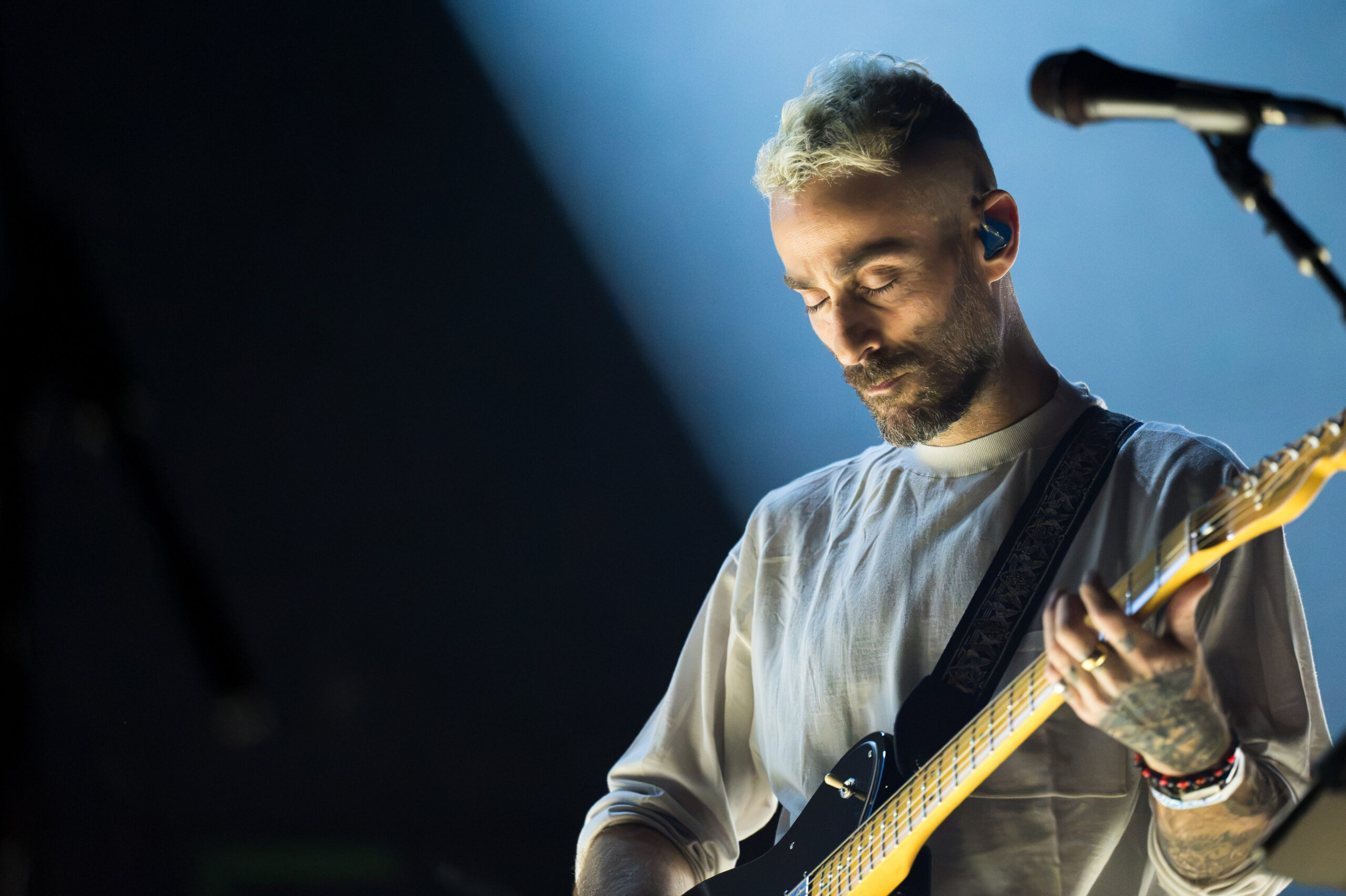
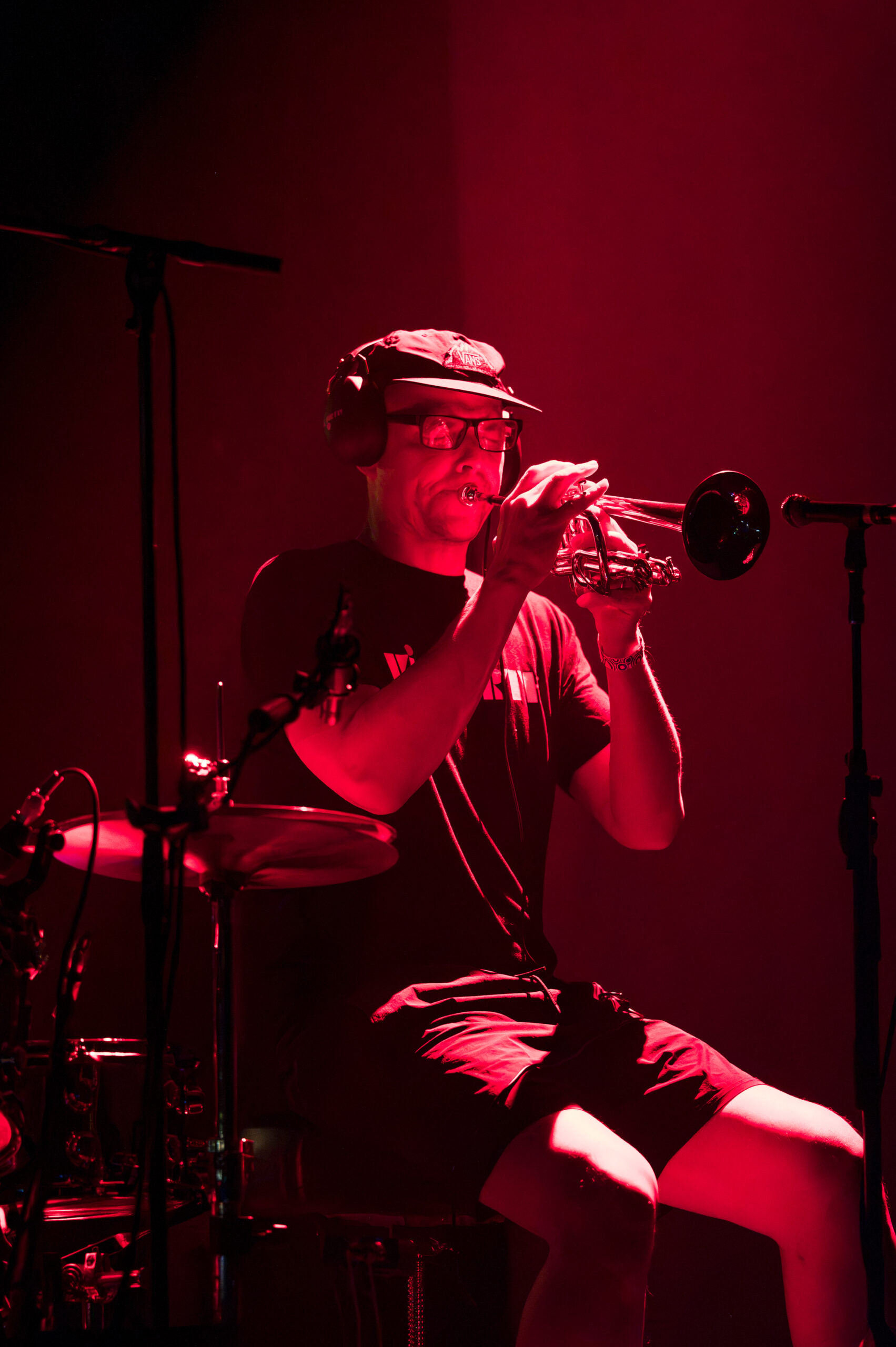
That energy surfaced elsewhere throughout the night. “Uncomfortably Numb,” from the band’s third album and featuring Hayley Williams on the studio version, drew one of the evening’s stronger responses. Elsewhere, newer material traded moments of collective nostalgia for something quieter. Rather than demanding attention through catharsis, those songs settled into hypnotic grooves that held the room in an almost meditative focus. They never felt like a lull between classics. Instead, they showcased a band more interested in texture and atmosphere.
That’s ultimately what made the evening compelling: American Football could easily spend an hour cashing in on the mythology of LP1, and judging by the reaction to “Never Meant,” few fans would complain. Instead, the band treated those songs as one chapter in a catalog that has continued to expand in unexpected directions. Twenty-seven years after its debut, American Football isn’t simply preserving its legacy—it’s still building on it.




Comments